

For 27-year-old Paul, finding love and exploring his sexuality as a queer Nigerian came to him when he left home for a different State after gaining admission to study a 4-year course at the University. He grew up in the suburban area of Rivers State, in the Niger Delta region of Nigeria.
During that time, he never met any LGBTQIA+ person until he went online and signed up for 2go Chat, a mobile social network and chat app that reached peak virality among teenagers and young adults between 2010 and 2014.
Being in the University environment spurred his desire to explore. However, the fears of being a gay man living in Nigeria never changed because he was familiar with the sting and the deadly cost of homophobia that exists in the country.
Nigeria is a deeply homophobic State rooted in culture, religion and law. The Same Sex Marriage (Prohibition) Act of 2013 criminalises same-sex marriage, unions, and public displays of same-sex affection and imposes a 10-14-year prison sentence for such acts. This law has also been used over time by citizens to further engage in all forms of violence, like death, arrest, and extortion against suspected LGBTQIA+ persons in the country.
So, loving and seeking love in this climate required stealth and protection, two things Paul knew all too well.
“When I got into the University, that was the first time I explored my sexuality and dated,” Paul describes. “But you couldn’t love openly and had to lie about your relationship. We couldn’t be seen holding hands, walking together and had to walk on opposite sides of the road.”
In 2022, when Paul left Nigeria to begin his masters in the United States of America, he was elated and looked forward to many things. As a kid, his exposure to international films, where he saw gay characters living their authentic lives, made him dream of leaving Nigeria and moving to the United States, where he could express himself as he wanted and love openly.
“I was very excited, I imagined my experiences as a queer person were going to change for the better,” he said. “I thought the US would be the best thing that would happen to me as someone coming from Nigeria.”
Paul looked forward to dressing as he wanted, without pretending to be straight. However, while he continues to enjoy some of the things he imagined, his perspective continues to change, especially because he comes from a different socio-cultural background, and his identity as an African makes him visibly different.
“It was so apparent that I was coming from a different socio-cultural background. And that being black and African meant something different in America as opposed to Nigeria,” he shares.
These differences often prevent him from seeking connections or establishing one.
“Someone I went on a date with asked me if I’ve had pizza before or if we had ice cream in Nigeria. It’s like they meet me and they have their assumptions.”
For Paul, these gaps are widened by race — because he is African, class — because he is still a student with controlled earnings, and body image — because he is effeminate and doesn’t fit into what is considered the standard.
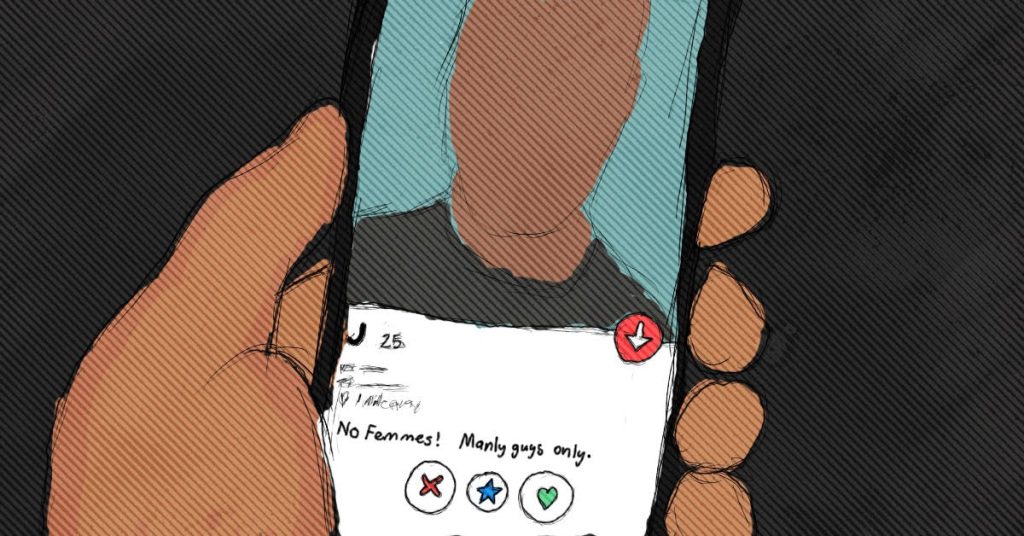
“People don’t want to have anything with someone who is feminine, you will see it on their dating profile, ‘No to feminine boys”, Paul says.
Ayo, who moved to the United States after she got a job as a doctor, speaks about similar socio-cultural differences in dating.
“I tried going out a couple of times, but it didn’t click. I tried dating sites, but it didn’t work out. I’m at the age where I am not trying to change anybody, and I don’t want anyone to change me. I want someone who understands what is unique to me.”
It has been about 7 months since she moved and is currently adjusting to a country that seems more accepting. For her, the gap is further widened by the fact that she works long hours as a doctor and lives in a city dominated by people with social and cultural backgrounds different from hers.
Yet, homophobia is not completely out of the picture for Paul, who resides in Alabama, where there are no State protections and broader anti-LGBTQ discrimination exists. According to a survey published by The Trevor Project in 2024, on the mental health of young people in Alabama, 24% of young people were physically threatened or harmed based on their sexual orientation or gender identity in the past year, and 65% of LGBTQ+ young people in Alabama experienced discrimination based on their sexual orientation or gender identity in the past year.
With these factors, Paul has to tread cautiously and watch how he expresses himself. In the meantime, he visits less homophobic cities where there is a more vibrant LGBTQIA+ culture and gay bars.
For many queer Nigerians, migration isn’t just economic and educational, it is also about the desire to live and express themselves openly.
Writer:         Shade Mary-Ann Olaoye
Editor:         Beatrice Nwoko
Featured Art:   Diaspora Africa

Editorial Oversight: Chimee Adịọha, Amaka Obioji