She Was Raped at the Detention Center, Then Began Another Journey That Never Ends
AuthorMarvellous Durowaiye
Published
Sharon Anthony left Nigeria in 2017, hoping to reach Europe and build a better future for herself and her family. Raised in Lagos after being born in Akwa Ibom State, she saw migration as an opportunity to escape poverty, support her mother and younger brother, and pursue an education she never had the chance to complete.
Instead, her journey ended in Libya, where she spent nearly two years moving between detention centers, prisons, and migrant camps. Along the way, she endured violence, exploitation, torture, and repeated sexual abuse. During her detention, Sharon became pregnant after being raped by men involved in the migration route.
When she eventually returned to Nigeria through a voluntary repatriation program, she faced another struggle. Rejected by parts of her family and left to raise her child alone, she has spent years trying to rebuild her life through a small clothing business while coping with trauma, stigma, and the rising cost of living.
The photographs follow Sharon’s daily life as a single mother and migrant returnee. They capture moments of resilience, care, and uncertainty, revealing how the effects of migration continue long after the journey has ended. While Libya remains a painful memory, the pressures that pushed her to leave Nigeria have not disappeared. Like many returnees, Sharon continues to navigate the difficult space between survival, hope, and the temptation to migrate again.
“People think the journey ends when you come back home. For me, the journey is still continuing.” Sharon Anthony
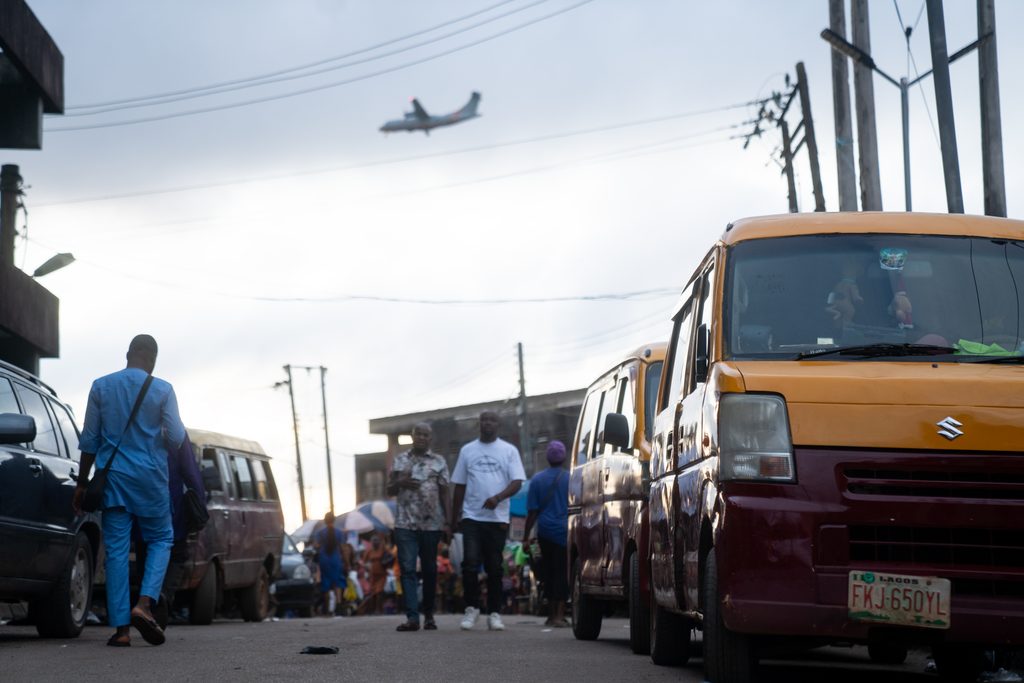
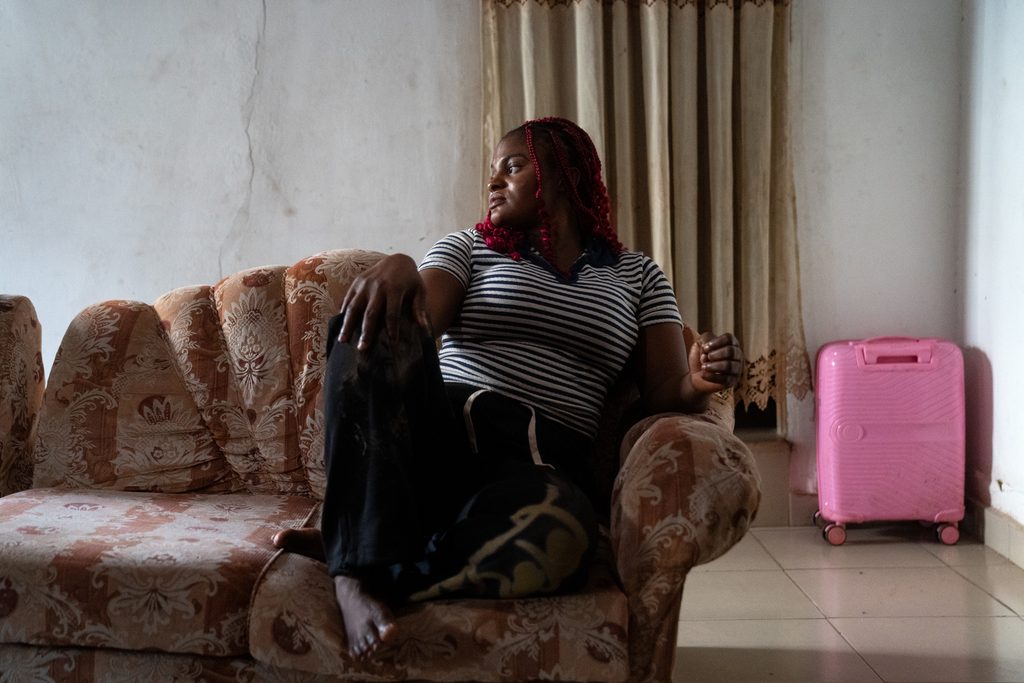
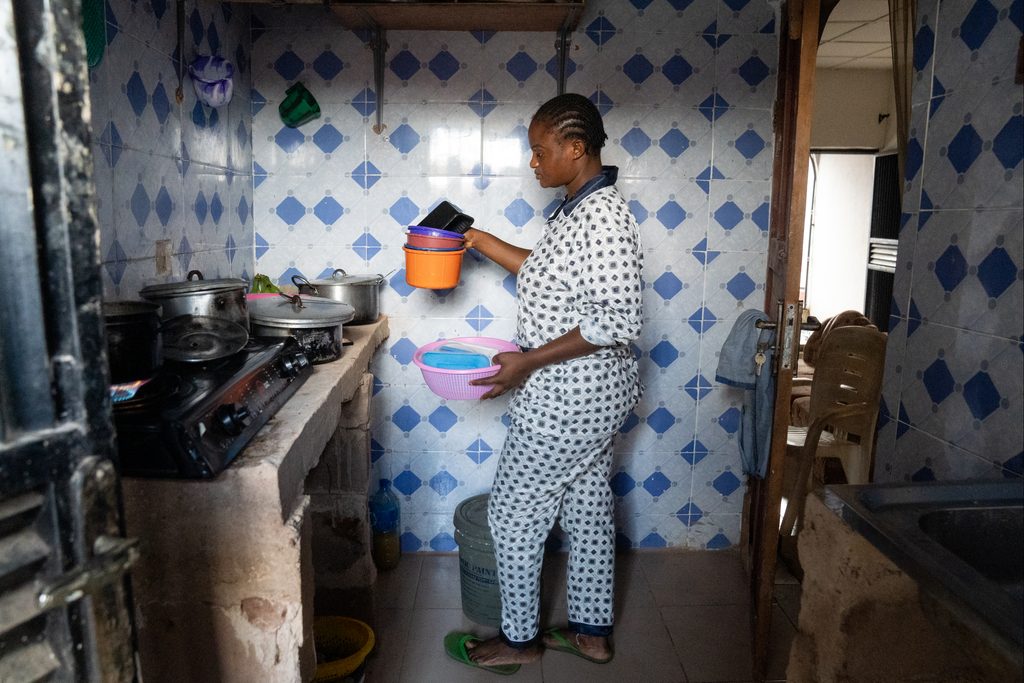
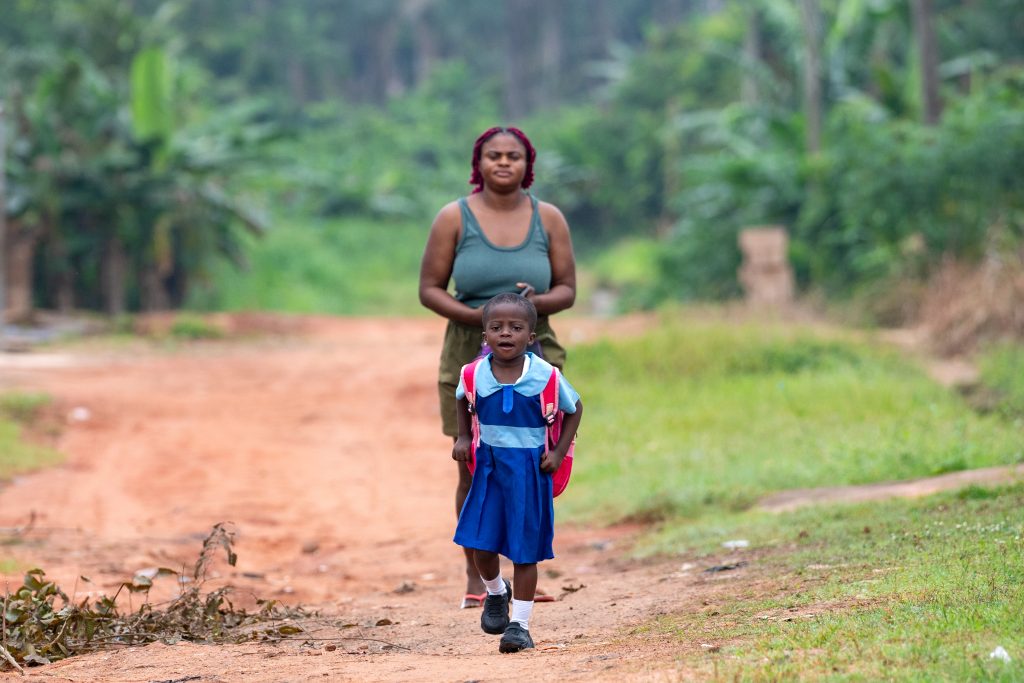
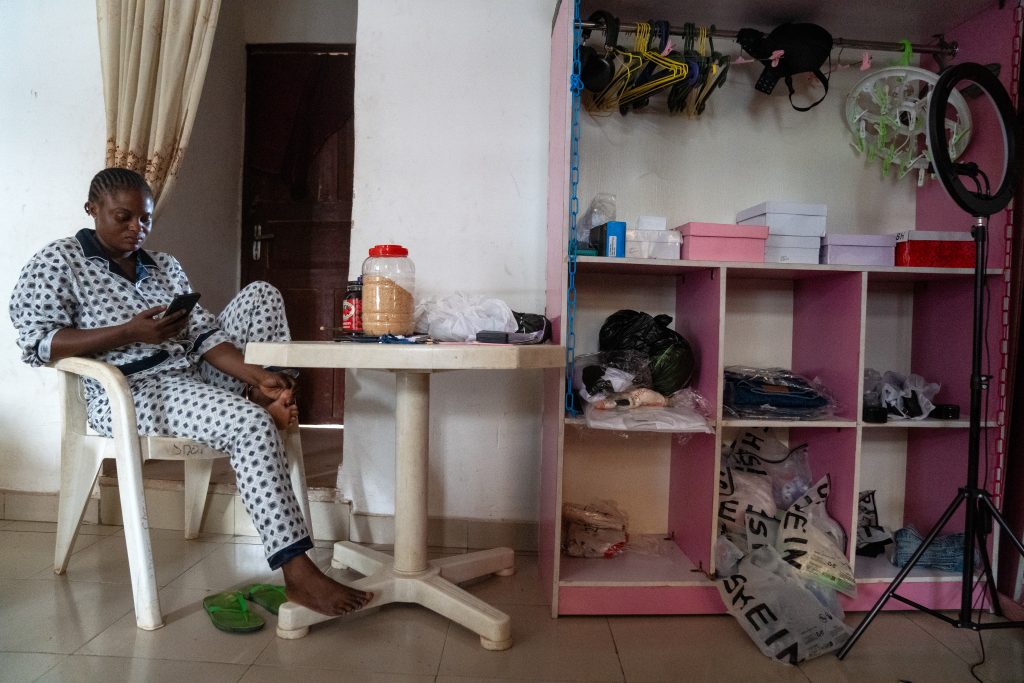
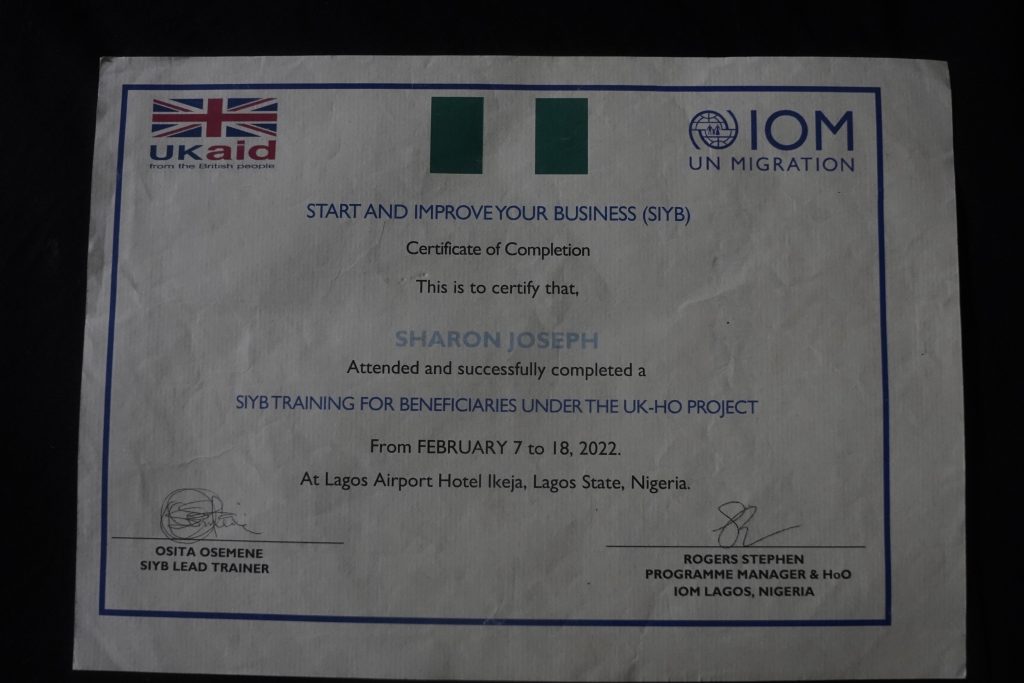
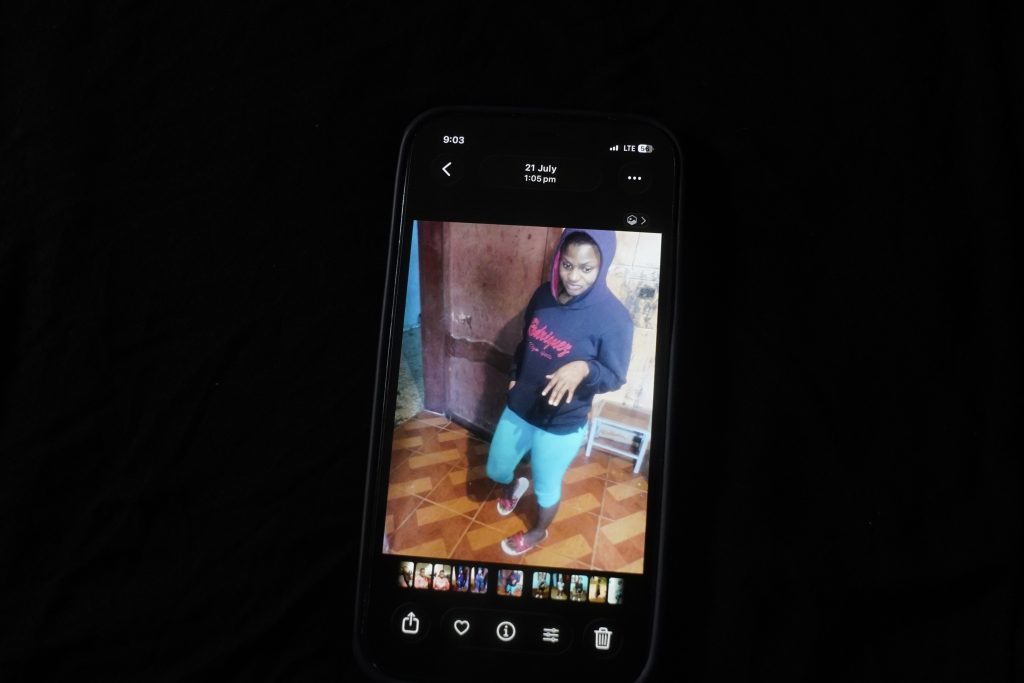
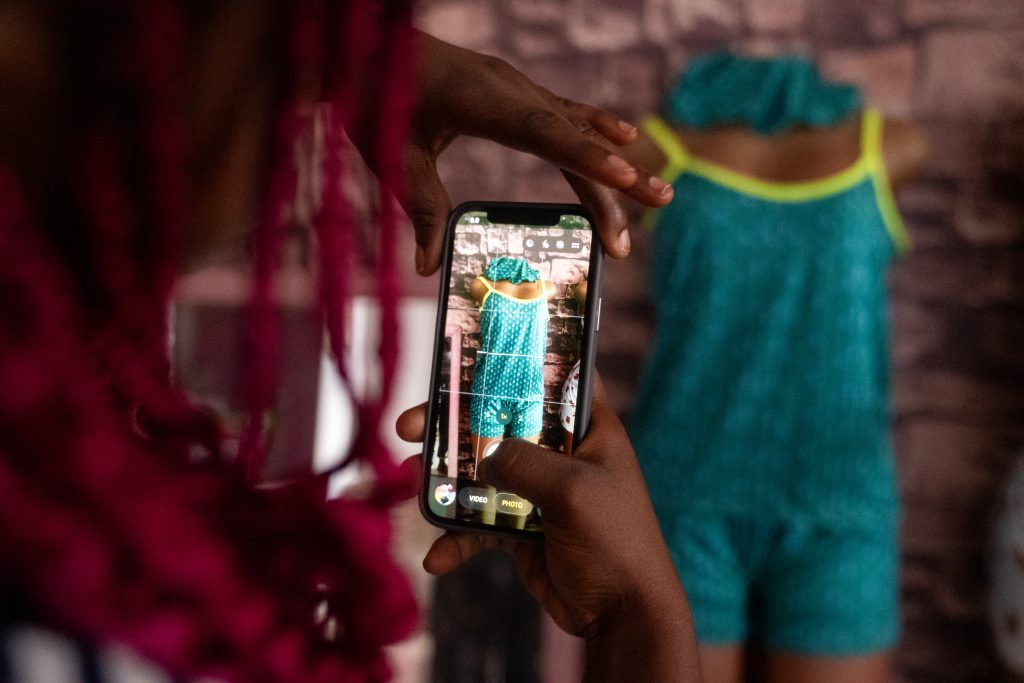
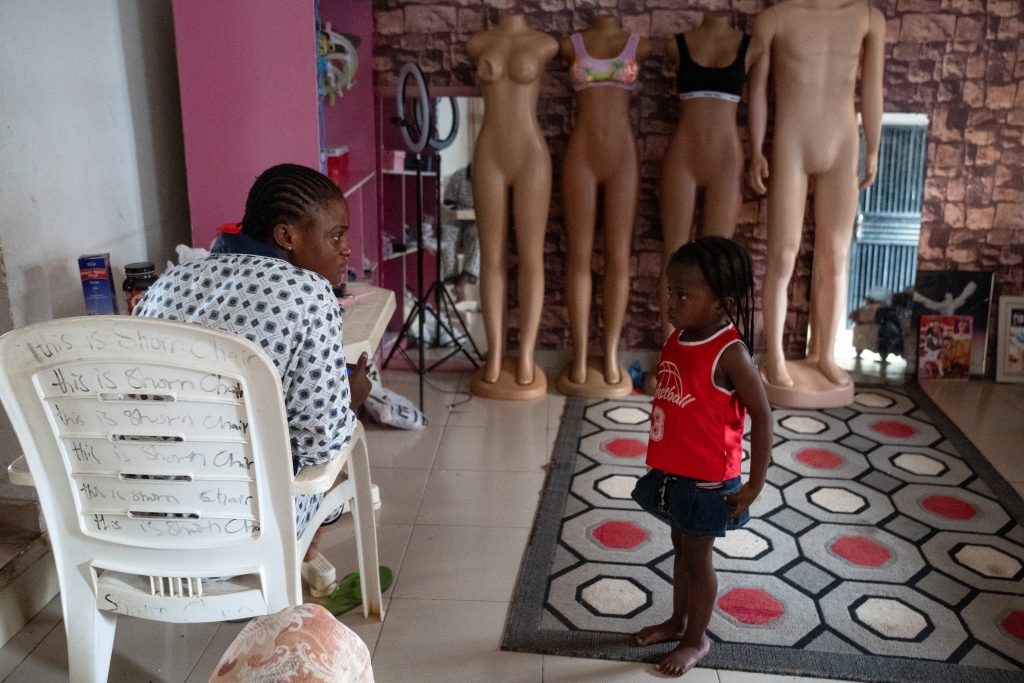
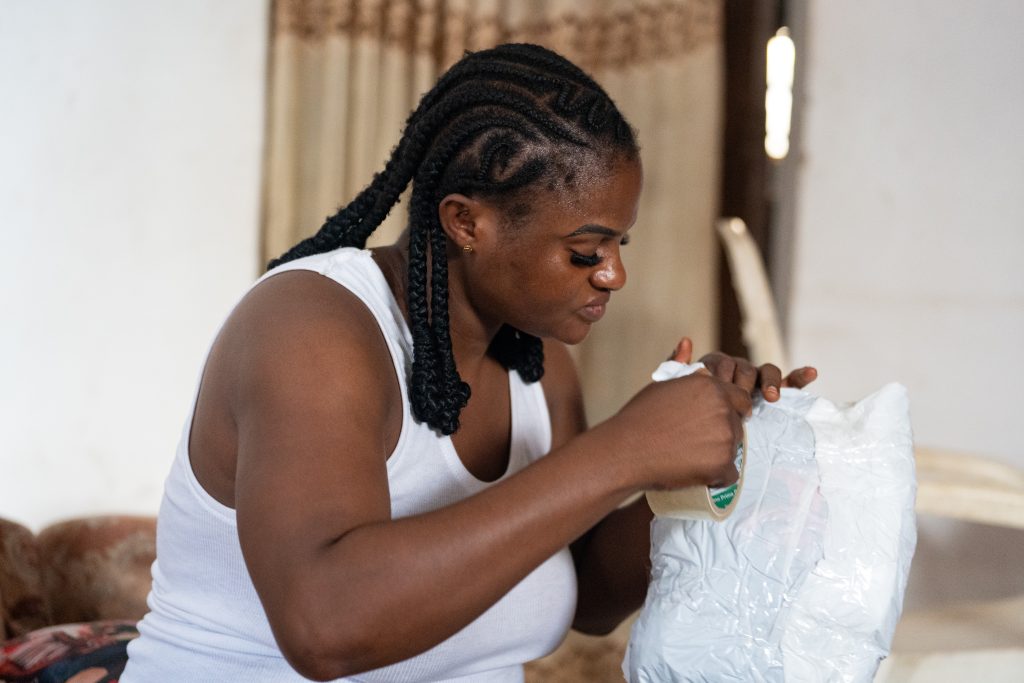
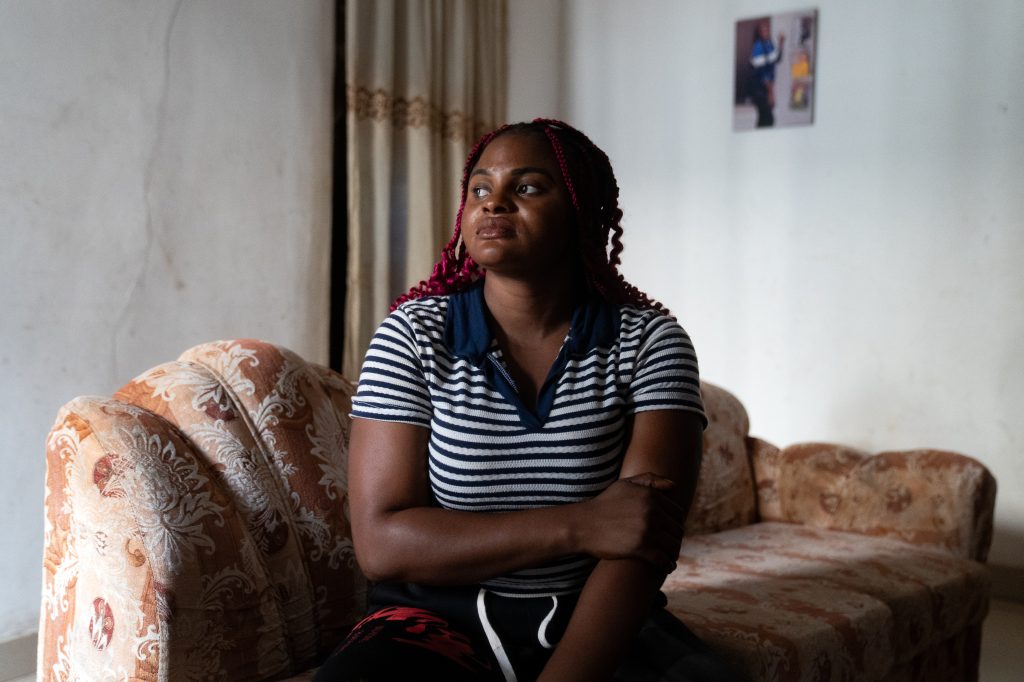
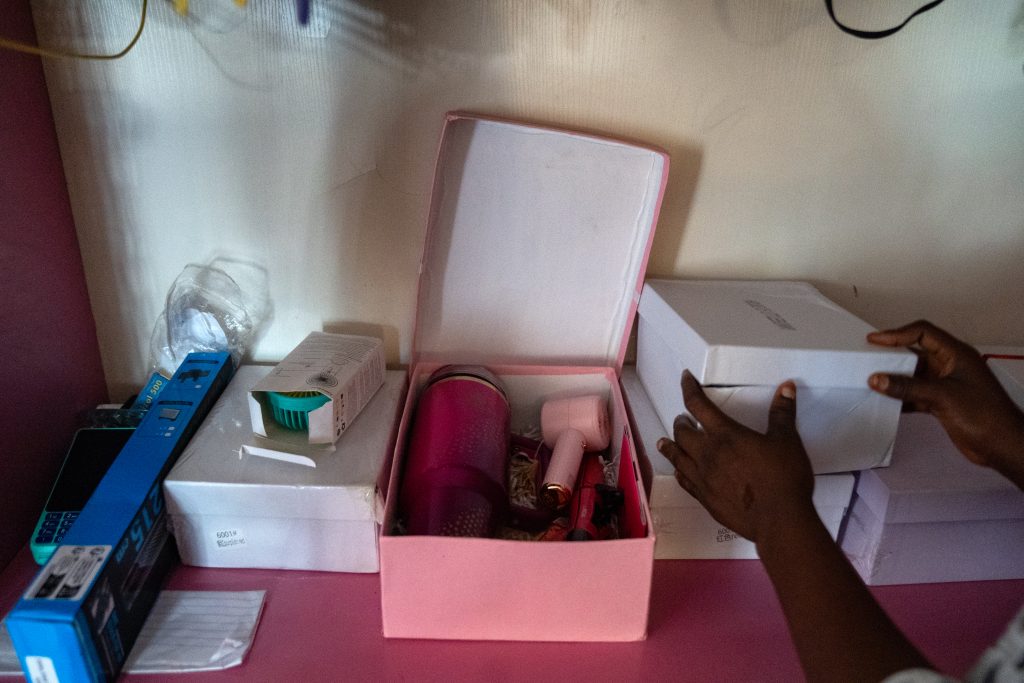
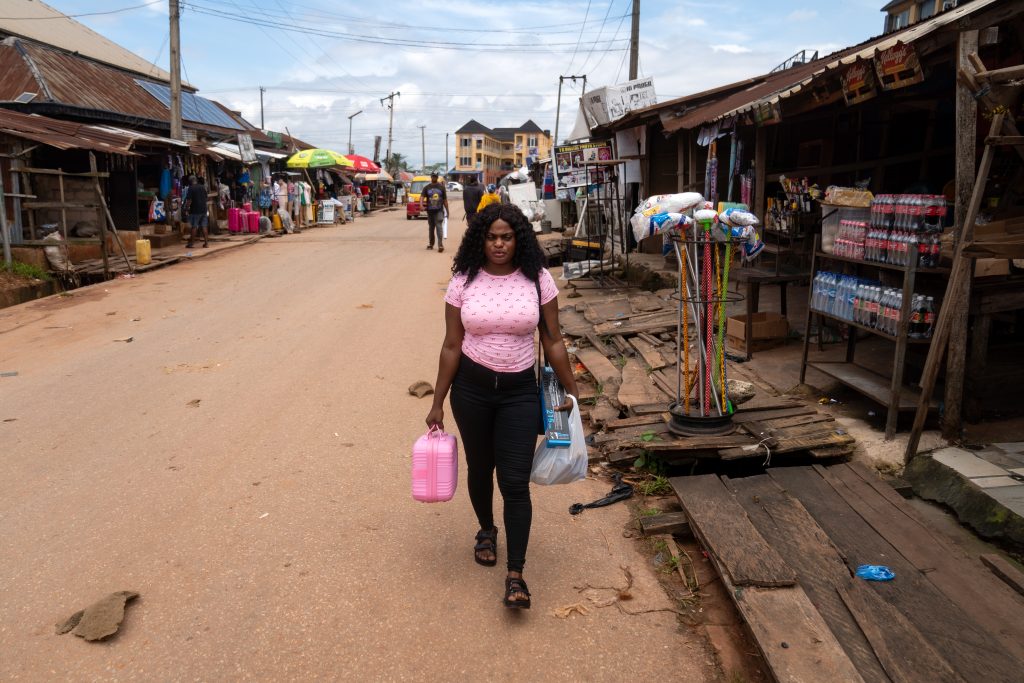
Commercial buses parked in a Benin neighborhood beneath a passing aircraft. Like many migrants who leave in search of opportunity, Sharon once looked beyond Nigeria’s borders for a better future. Years after returning, the challenges that drove her departure remain part of her daily reality. Photographed by Marvellous DurowaiyeSharon sits in her living room beside a suitcase, a reminder of a journey that continues to shape her life. Despite the violence and hardship she experienced in Libya, mounting economic pressures in Nigeria have at times led her to consider migration again, reflecting the difficult choices many returnees face.Sharon carries out household chores in her kitchen in Benin. Raising a child alone while running a small business leaves little separation between domestic responsibilities and the daily struggle to earn an income.Sharon walks behind her child on the way to school. The child was conceived after Sharon was raped while travelling through Libya. Now a single mother, she shoulders the responsibility of raising the child alone while struggling to make ends meet.Sharon sits inside the space that serves as both her home and workplace. From here, she manages orders, communicates with customers, and cares for her child. The boundaries between family life and survival are often blurred as she works to sustain the small business she started after returning from Libya.A certificate issued after a business training programme lies in Sharon’s home. Following her return to Nigeria through a voluntary repatriation programme, she received training and support intended to help her rebuild her life and earn a living independently.A photograph of herself taken before she left Libya in search of a better future. Like many young people driven by poverty and limited opportunities, she believed the journey north would offer a chance at education, stability and a better life for her family.Sharon photographs clothing displayed on a mannequin for online customers. Selling through social media has become one of the ways she keeps her business running after losing her shop, allowing her to reach customers while caring for her child from home.Sharon speaks with her child inside their home. Born after Sharon was raped during her migration journey through Libya, the child is both a reminder of past trauma and a source of strength that motivates Sharon’s efforts to build a more secure future.Sharon prepares an order for her small clothing business at her home. After returning to Nigeria through a voluntary repatriation programme, she relied on a business grant to rebuild her life. Years later, fluctuating income and the rising cost of living continue to threaten her fragile recovery.Sharon sits in her living room in Lagos. Years after returning from Libya, memories of detention, violence and sexual abuse remain close. Economic hardship and the responsibility of raising a child alone often leave her questioning what the future holds.Products stocked for Sharon’s business are arranged on a shelf in her home. The inventory represents more than merchandise. It is the foundation of her effort to rebuild a life interrupted by migration, detention and the difficulties of reintegration after returning to Nigeria.Sharon walks through a neighbourhood in Benin. Years after returning from Libya, she continues to rebuild her life while supporting her child through a small business.
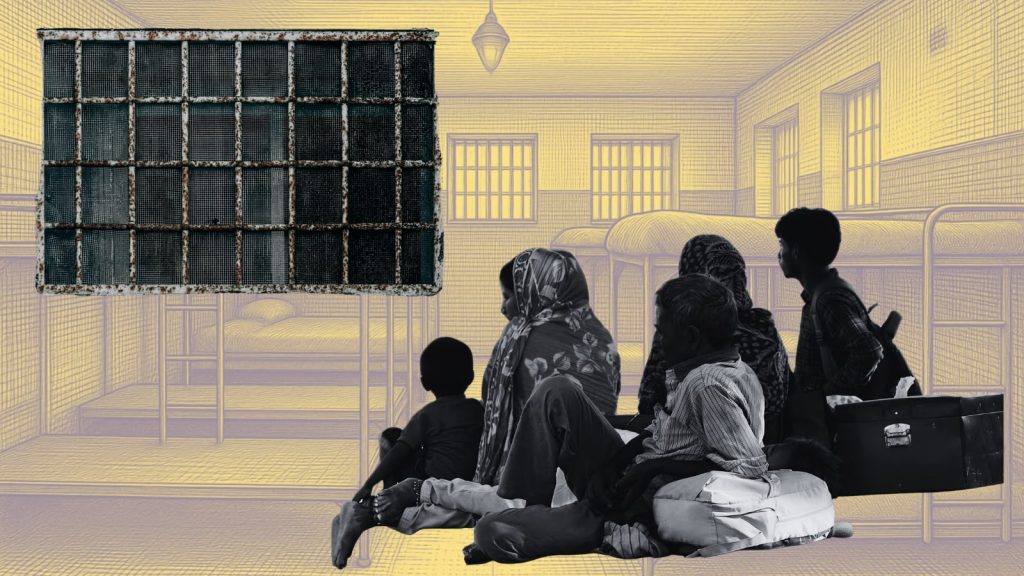
The Sintiki centre sits in Serres, in northern Greece, close to the Bulgarian border. It began as a facility for the temporary reception of asylum seekers. In July 2025, it was converted into a closed detention centre, part of Greece's hardening response to arrivals by sea from North Africa.
When South African Grammy-winning artist Tyla announced the African leg of her A POP World Tour, Lagos was among the cities where fans expected to see one of the continent’s fastest-rising stars.