When a mother leaves home for work, what happens to the family she leaves behind?
The Women Who Migrate for Work is a photographic and documentary project examining how labour migration reshapes motherhood, childhood and care within Nigerian families. Beginning with the artist’s own family, the project traces a pattern repeated across generations: a mother leaves in search of work and opportunity; a grandmother remains to raise the child; years later, another daughter migrates, and the same grandmother becomes a caregiver once again.
The project began with the artist’s own childhood. At three years old, she was left in the care of her grandmother when her mother moved within Nigeria for work. Decades later, her sister migrated abroad, leaving her son with the same grandmother. The artist now photographs a childhood arrangement she once experienced herself, observing how distance, work and migration continue to shape the family’s understanding of motherhood.
Rather than focusing solely on the migrant or the destination, the project turns its attention to those who remain. It examines the redistribution of care that takes place when women migrate for work: grandmothers become primary caregivers, children grow up between physical absence and digital presence, and mothers attempt to remain involved through phone calls, video chats, remittances and the everyday acts of care that can cross borders.
Through photographs, family archives, conversations and traces of communication across distance, the project asks what migration produces inside a household. Who raises the child? Who carries the emotional labour? What does motherhood look like when a mother’s body is elsewhere? And how does a family maintain intimacy when physical presence is no longer possible?
At its heart, When Women Migrate for Work is a story about migration as a family experience rather than simply an individual journey. It considers the women whose labour makes migration possible, the children who grow up within its consequences, and the grandmothers who quietly hold generations together.
The project begins with one family, but its questions extend beyond it: what happens to the people who remain when someone leaves?
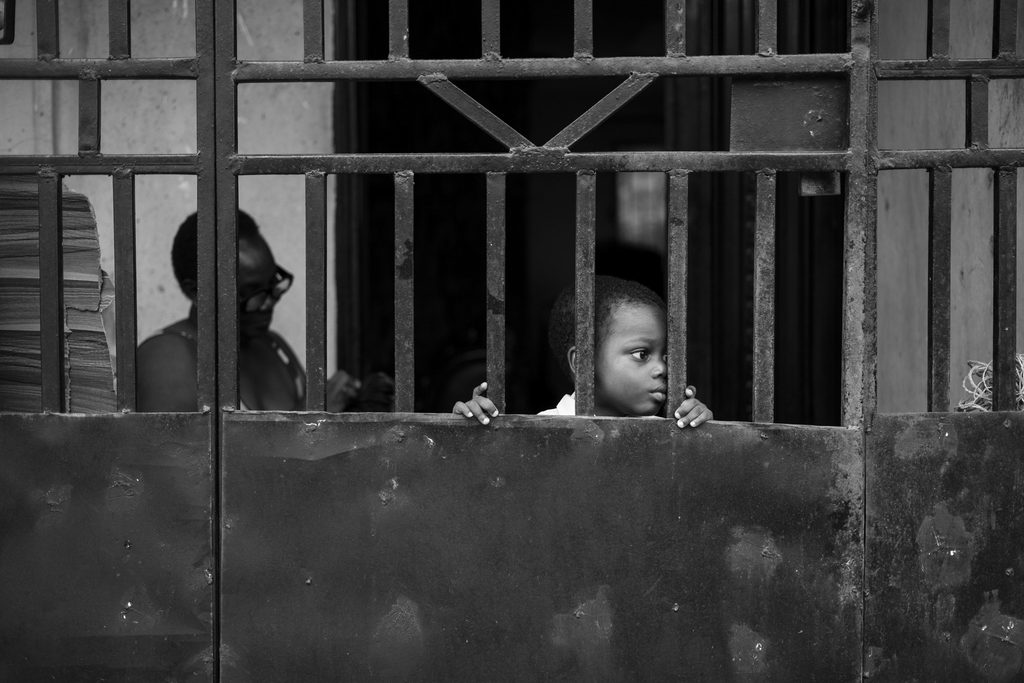
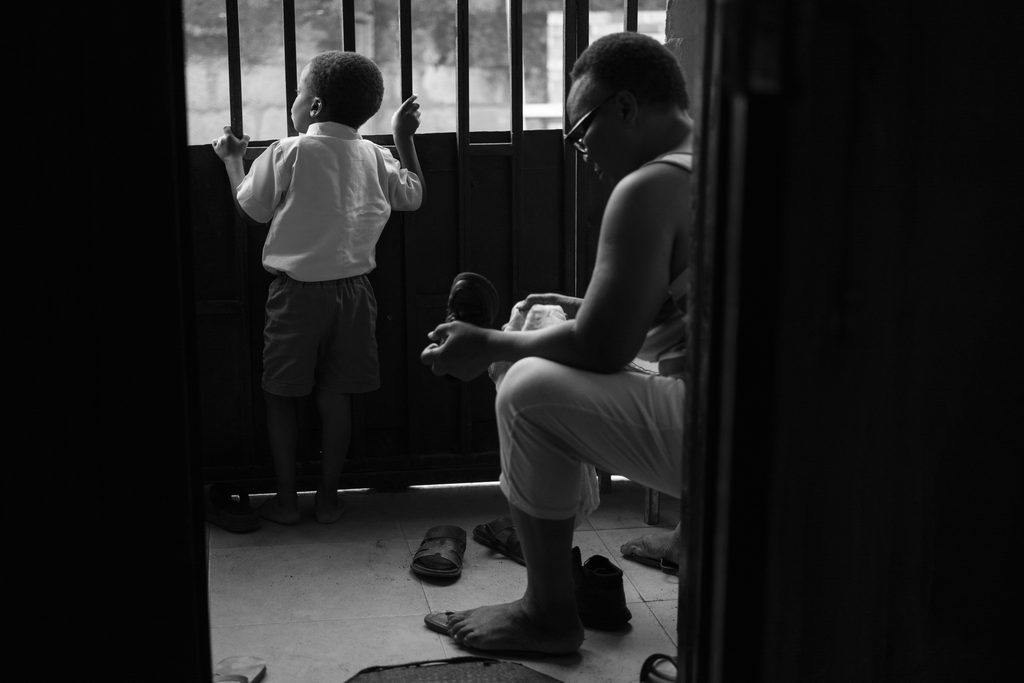
A grandmother cleans her grandson’s school shoe as he waits beside her at their home in Sango, Ogun State, Nigeria. The boy lives with his grandmother while his mother works abroad. Everyday responsibilities such as preparing him for school form part of the caregiving role his grandmother and great grandmother has taken on in his mother’s absence.
(Photographed by Temiloluwa Johnson)A grandmother cleans her grandson’s school shoe as he waits beside her at their home in Sango, Ogun State, Nigeria. The boy lives with his great grandmother while his mother works abroad. Everyday responsibilities such as preparing him for school form part of the caregiving role his grandmother and great grandmother has taken on in his mother’s absence.
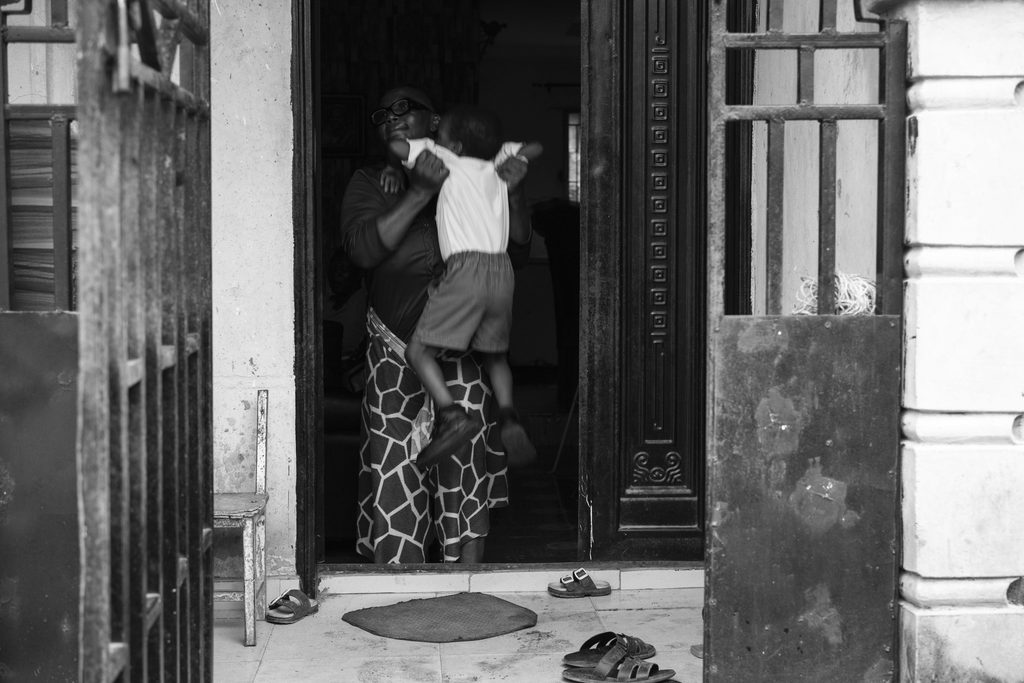
(Photographed by Temiloluwa Johnson)A grandmother prepares to carry her grandson on her back as they make their way to school in Sango, Ogun State, Nigeria. The boy lives with his great grandmother while his mother works abroad. His great grandmother, who also raised his mother, is responsible for much of his day-to-day care.
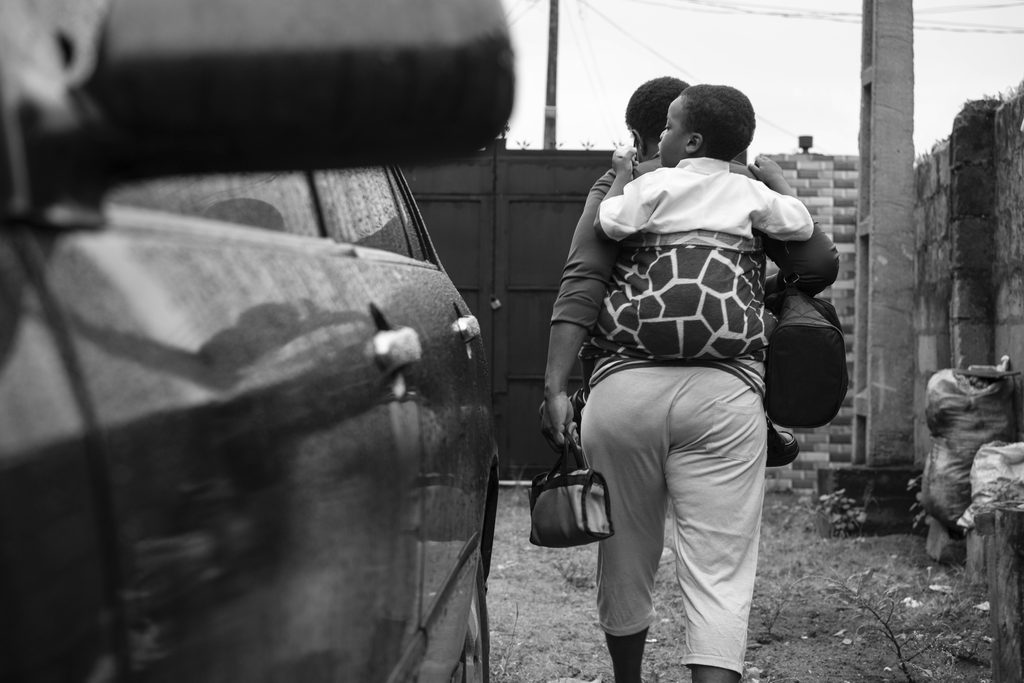
(Photographed by Temiloluwa Johnson)A grandmother carries her grandson on her back as they make their way to school in Sango, Ogun State, Nigeria. The boy lives with his great grandmother while his mother works abroad. His great grandmother, who also raised his mother, is responsible for much of his day-to-day care.
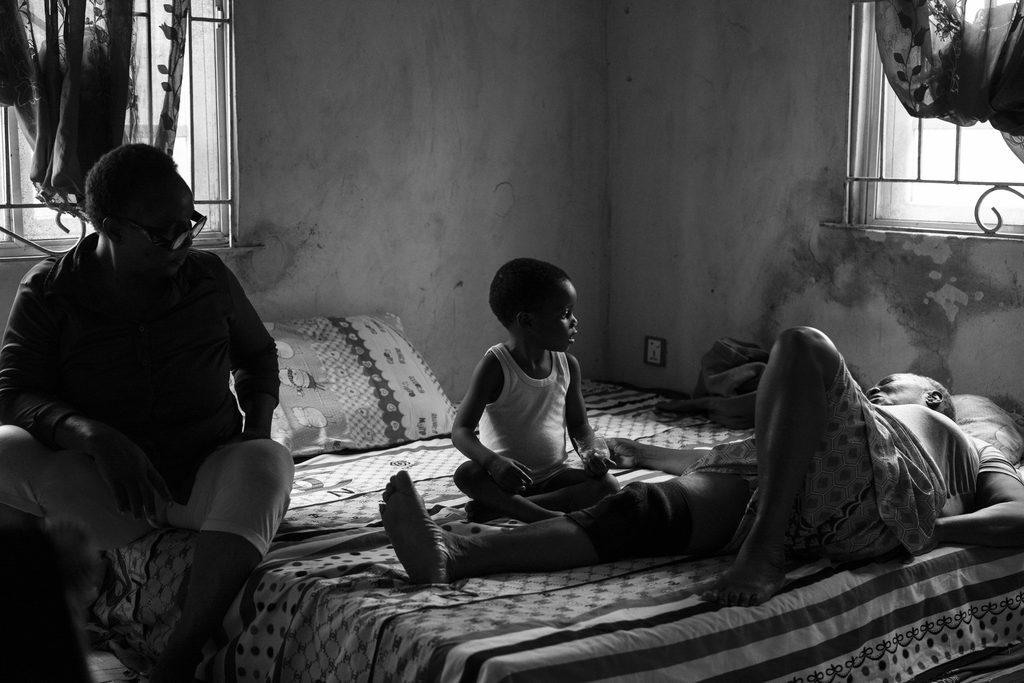
(Photographed by Temiloluwa Johnson)A young boy lounges in the room with his grandmother and great-grandmother at their home in Sango, Ogun State, Nigeria. His mother migrated abroad for work and he now lives with his grandmother, continuing a pattern of intergenerational caregiving within the family. The grandmother previously raised both the boy’s mother and the artist after their mothers migrated for work.
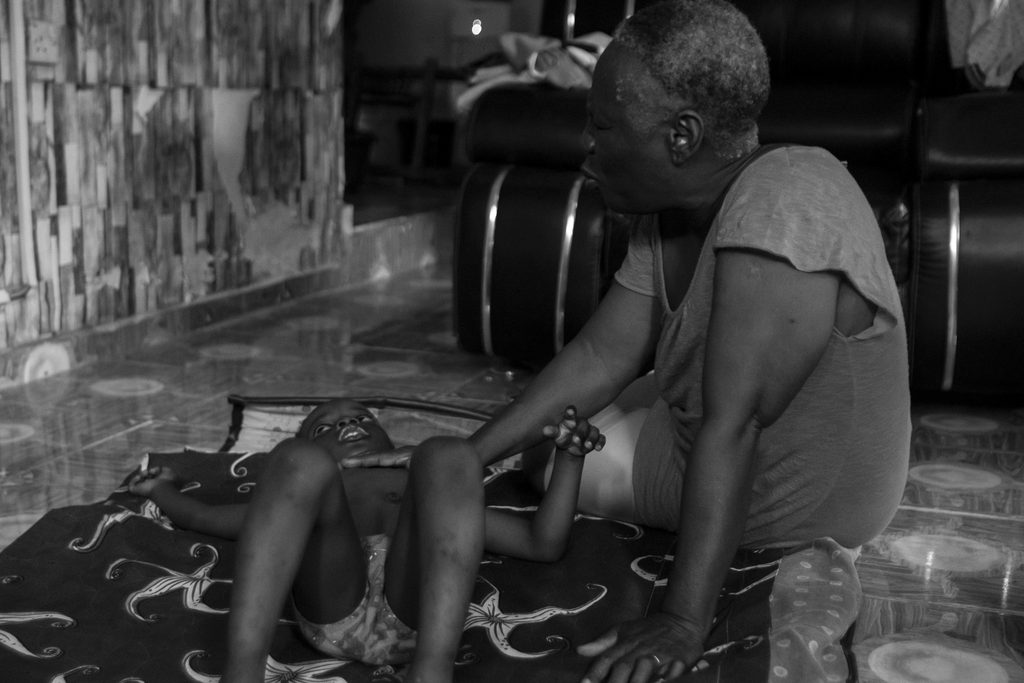
(Photographed by Temiloluwa Johnson)A young boy is being prayed for by his great grandmother at their home in Sango, Ogun State, Nigeria. His mother migrated abroad for work, leaving him in the care of his grandmother, who previously raised the boy’s mother and later raised the artist when her own mother migrated within Nigeria for work.
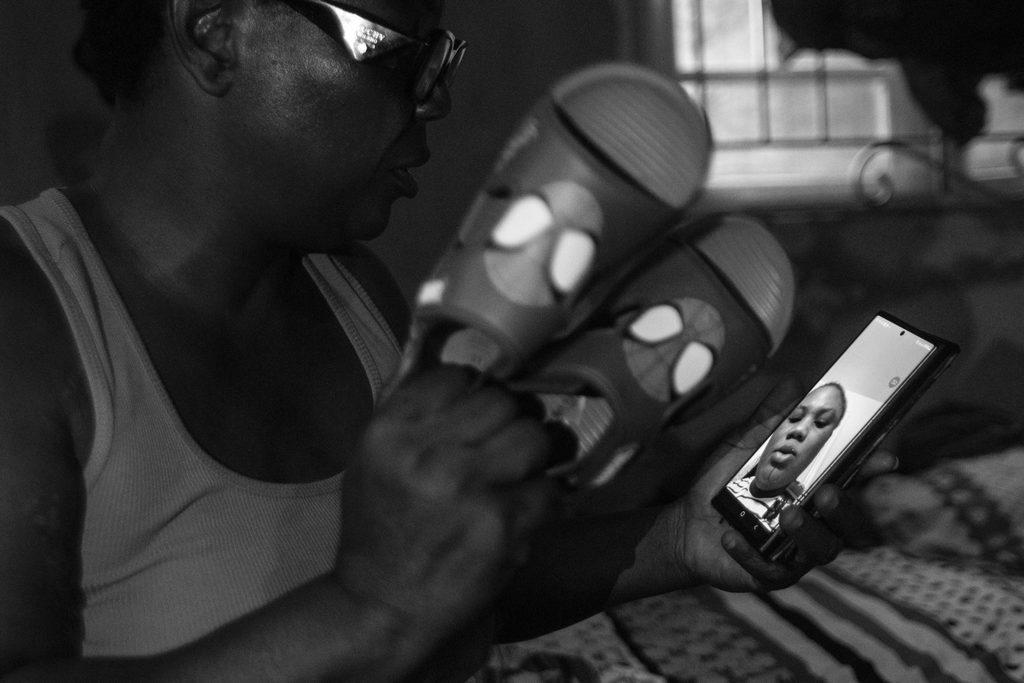
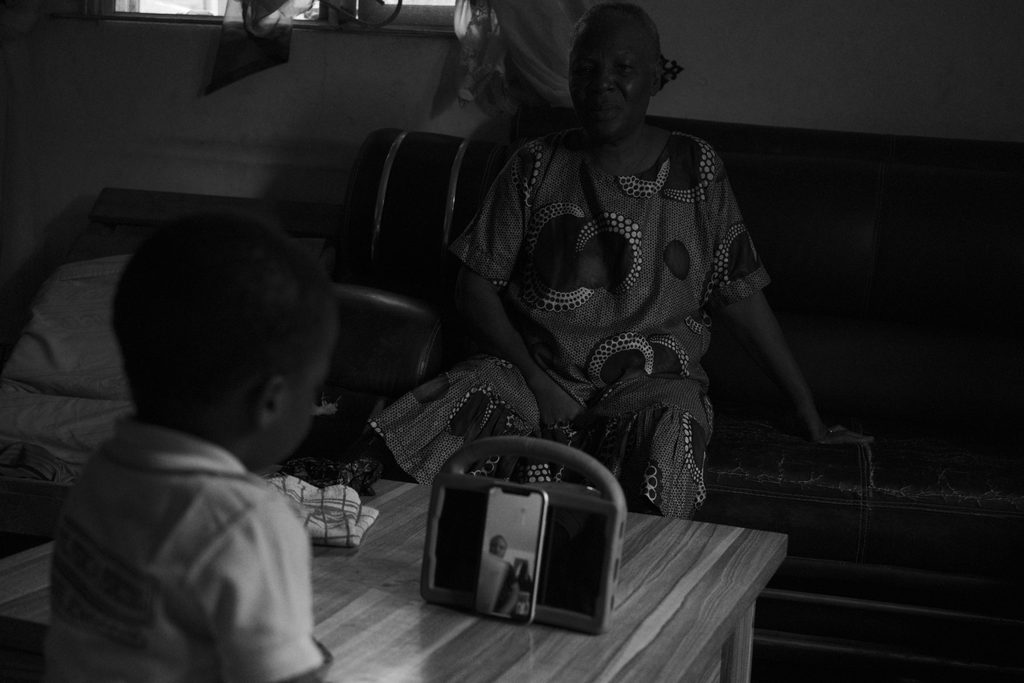
(Photographed by Temiloluwa Johnson)A grandmother speaks with her daughter, who lives abroad, while trying to sort out a pair of shoes sent as a gift for her grandson in Sango, Ogun State, Nigeria. The call is part of the family’s routine of maintaining connection across distance, with the mother participating in her son’s life through phone calls, financial support and items sent home.
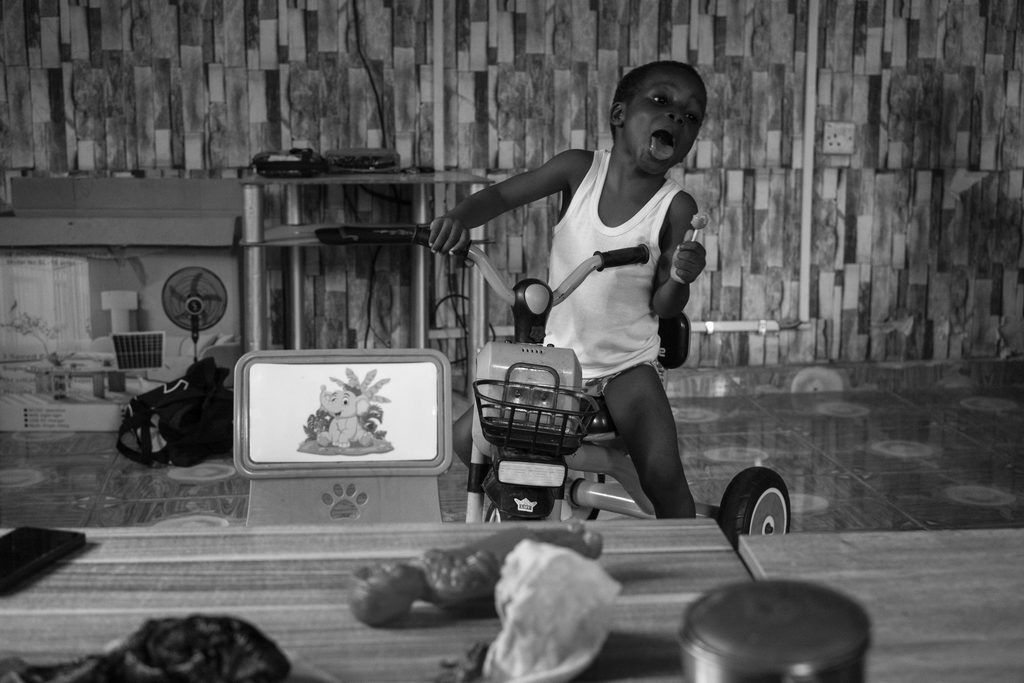
(Photographed by Temiloluwa Johnson)A young boy rides a bicycle bought for him by his mother, who lives and works abroad, in his great grandmother’s home in Sango, Ogun State, Nigeria. For children in transnational families, gifts and financial support sent from abroad can become tangible expressions of parental presence despite physical distance.
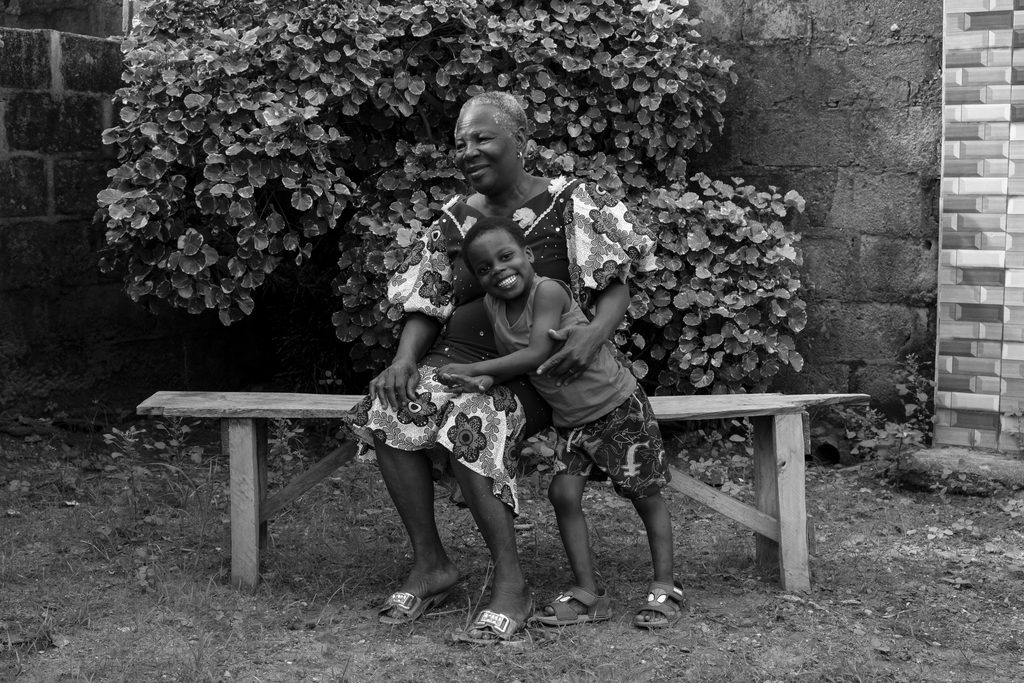
(Photographed by Temiloluwa Johnson)A young boy poses with his great grandmother at their home in Sango, Ogun State, Nigeria. His mother migrated abroad for work, leaving him in the care of his grandmother, who previously raised the boy’s mother and later raised the artist when her own mother migrated within Nigeria for work.
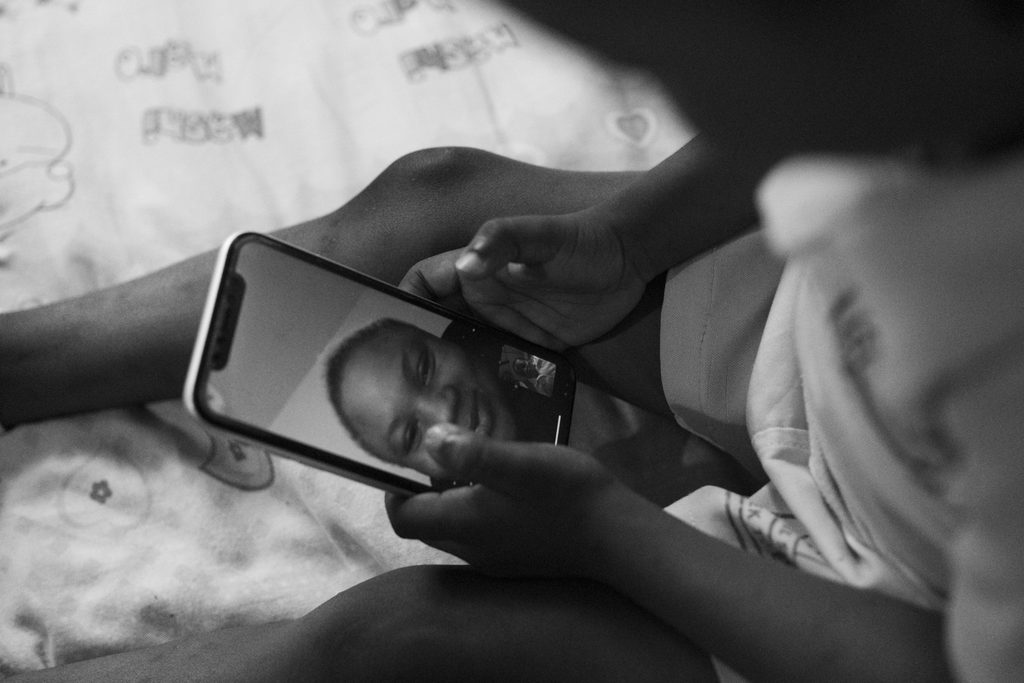
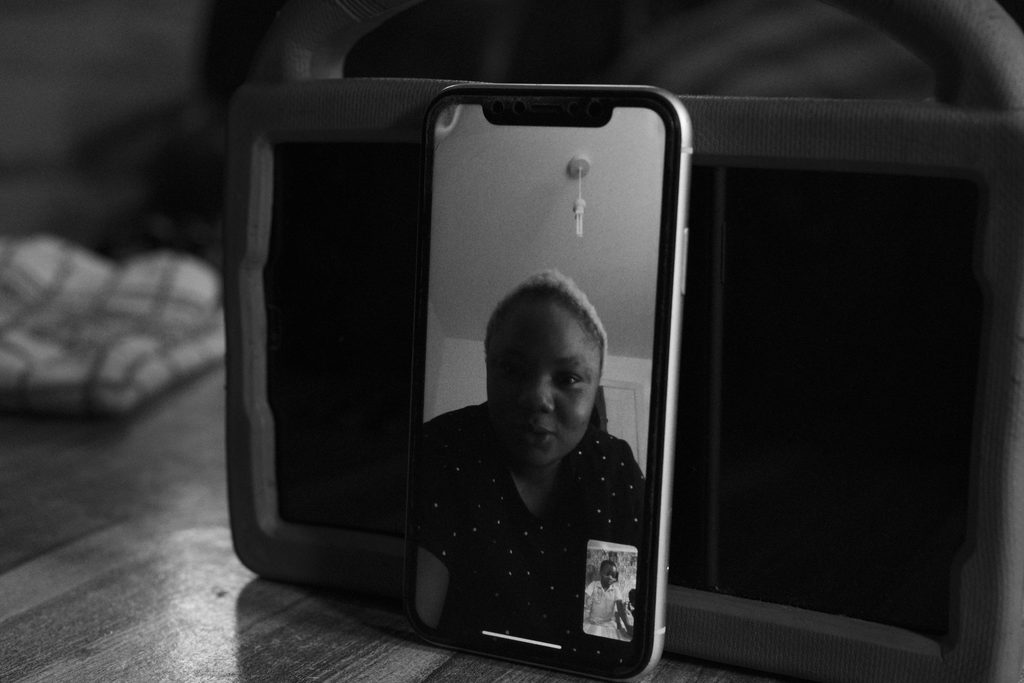
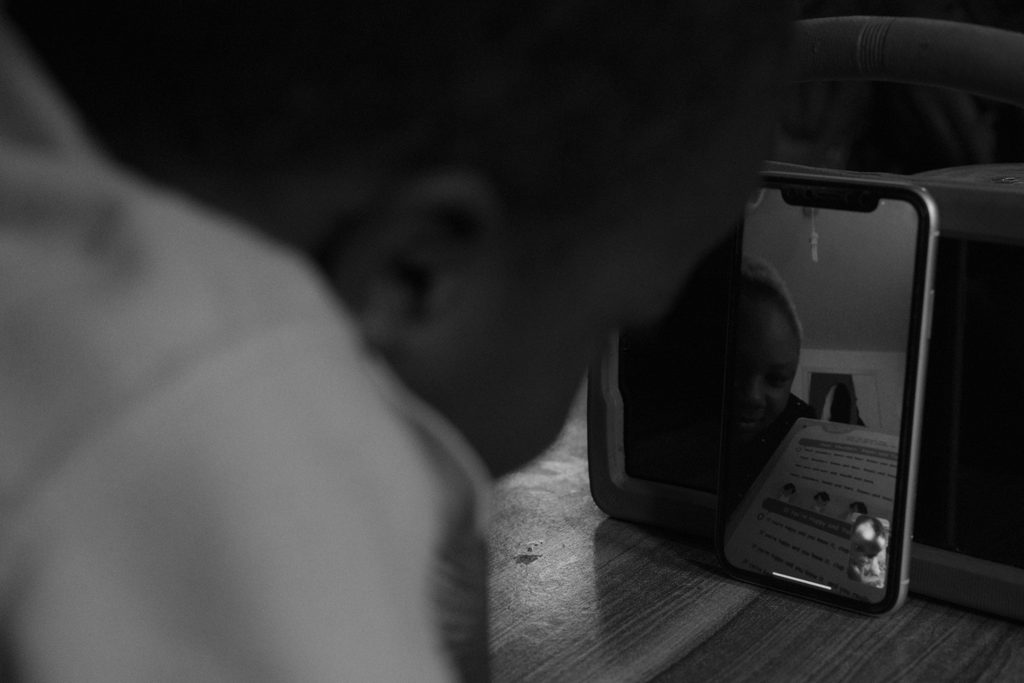
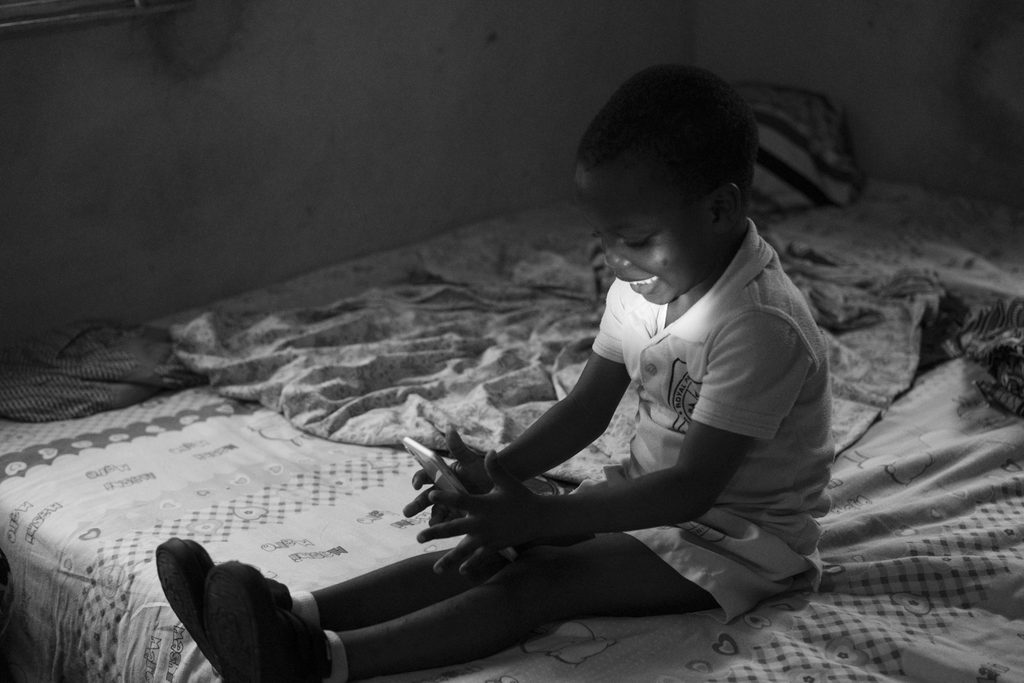
Sango, Ogun State, Nigeria. 2026.A young boy speaks with his mother, who lives abroad, during a video call at his great grandmother’s home in Sango, Ogun State, Nigeria. His mother migrated abroad for work and remains involved in his day-to-day life through regular calls and virtual activities. The boy currently lives with his grandmother, who also raised his mother and later raised the artist after her mother migrated for work.
Sango, Ogun State, Nigeria. September 16, 2026.A young boy speaks with his mother, who lives abroad, during a video call at his great grandmother’s home in Sango, Ogun State, Nigeria. His mother migrated abroad for work and remains involved in his day-to-day life through regular calls and virtual activities. The boy currently lives with his grandmother, who also raised his mother and later raised the artist after her mother migrated for work.
Sango, Ogun State, Nigeria. 2026.A young boy speaks with his mother, who lives abroad, during a video call at his great grandmother’s home in Sango, Ogun State, Nigeria. His mother migrated abroad for work and remains involved in his day-to-day life through regular calls and virtual activities. The boy currently lives with his grandmother, who also raised his mother and later raised the artist after her mother migrated for work.
Sango, Ogun State, Nigeria. 2026.A young boy speaks with his mother, who lives abroad, during a video call at his great grandmother’s home in Sango, Ogun State, Nigeria. His mother migrated abroad for work and remains involved in his day-to-day life through regular calls and virtual activities. The boy currently lives with his grandmother, who also raised his mother and later raised the artist after her mother migrated for work.
Sango, Ogun State, Nigeria. 2026.A young boy speaks with his mother, who lives abroad, during a video call at his great grandmother’s home in Sango, Ogun State, Nigeria. His mother migrated abroad for work and remains involved in his day-to-day life through regular calls and virtual activities. The boy currently lives with his grandmother, who also raised his mother and later raised the artist after her mother migrated for work.
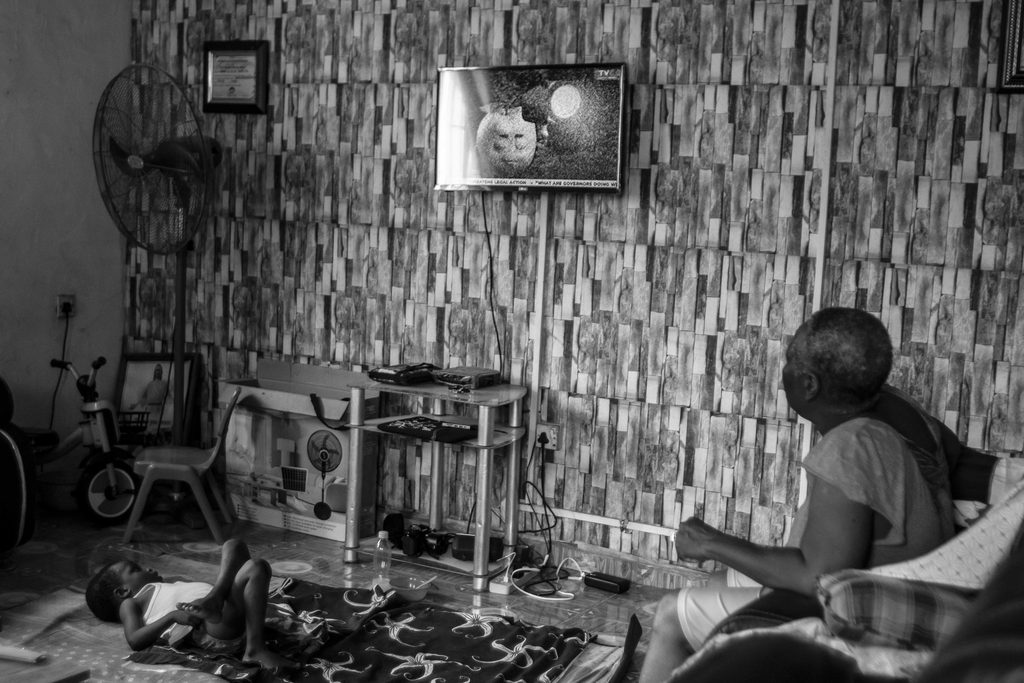
Sango, Ogun State, Nigeria. 2026.A young boy watches television with his great grandmother at their home in Sango, Ogun State, Nigeria. His grandmother cares for him while his mother lives and works abroad. The arrangement mirrors an earlier generation in the family, as the same grandmother also raised the boy’s mother when her own mother was absent.
(Photographed by Temiloluwa Johnson)
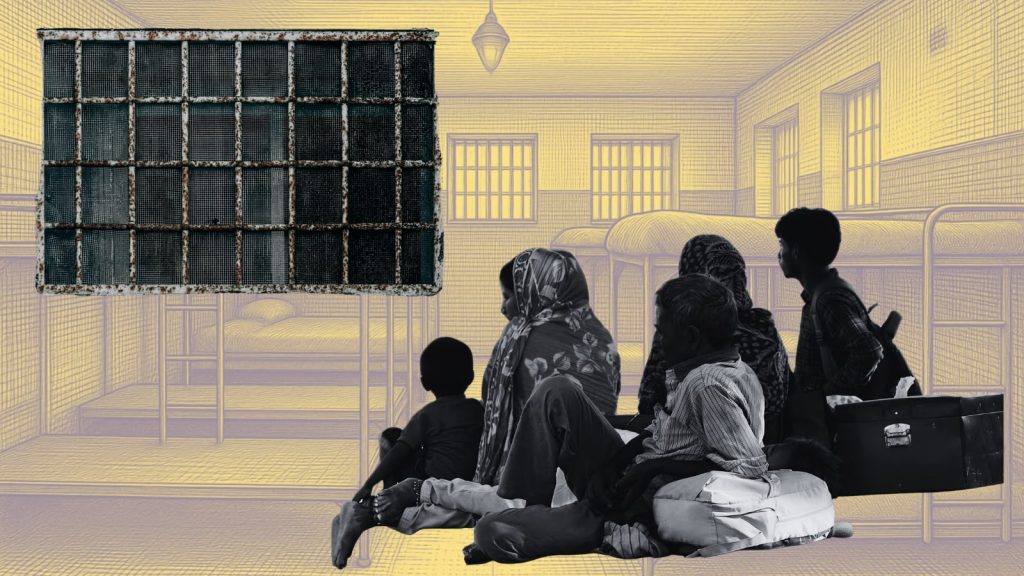
The Sintiki centre sits in Serres, in northern Greece, close to the Bulgarian border. It began as a facility for the temporary reception of asylum seekers. In July 2025, it was converted into a closed detention centre, part of Greece's hardening response to arrivals by sea from North Africa.
When South African Grammy-winning artist Tyla announced the African leg of her A POP World Tour, Lagos was among the cities where fans expected to see one of the continent’s fastest-rising stars.