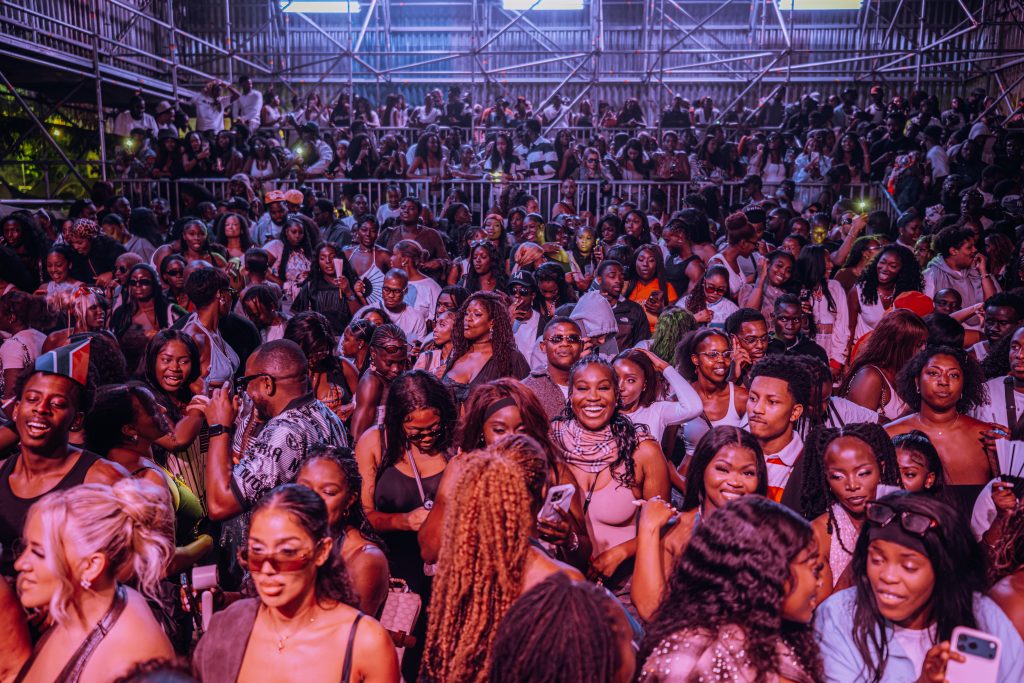


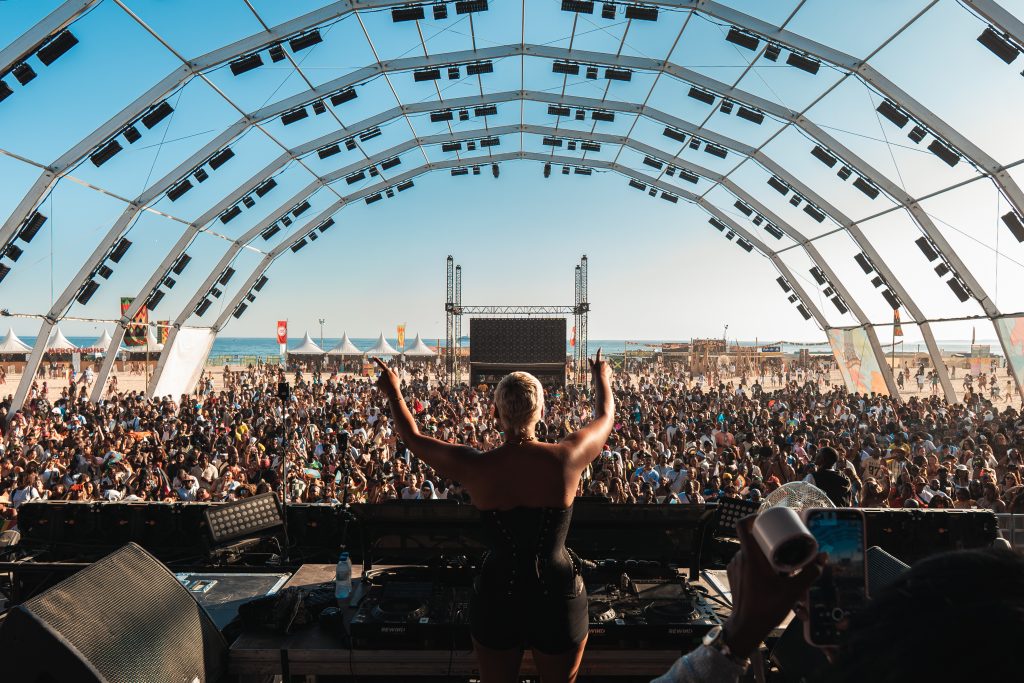
For me, Afro Nation is more than just a music festival; it is a living, breathing testament to the power of community, culture, and the global African diaspora.
In 2019, when Afronation first graced the world, all eyes were locked on what would later become the most successful African music festival the world has seen.
What makes Afro Nation so profoundly special is that its founders saw a golden opportunity and built a table long before the mainstream Western music industry decided to “wake up.” We didn’t wait for validation, and we didn’t ask for a seat.
To watch a legendary pioneer like Wizkid – who headlined the final night of that historic first festival – still commanding the stage alongside a brand-new generation of artists celebrating their very first Afro Nation performances is a beautiful full-circle moment.
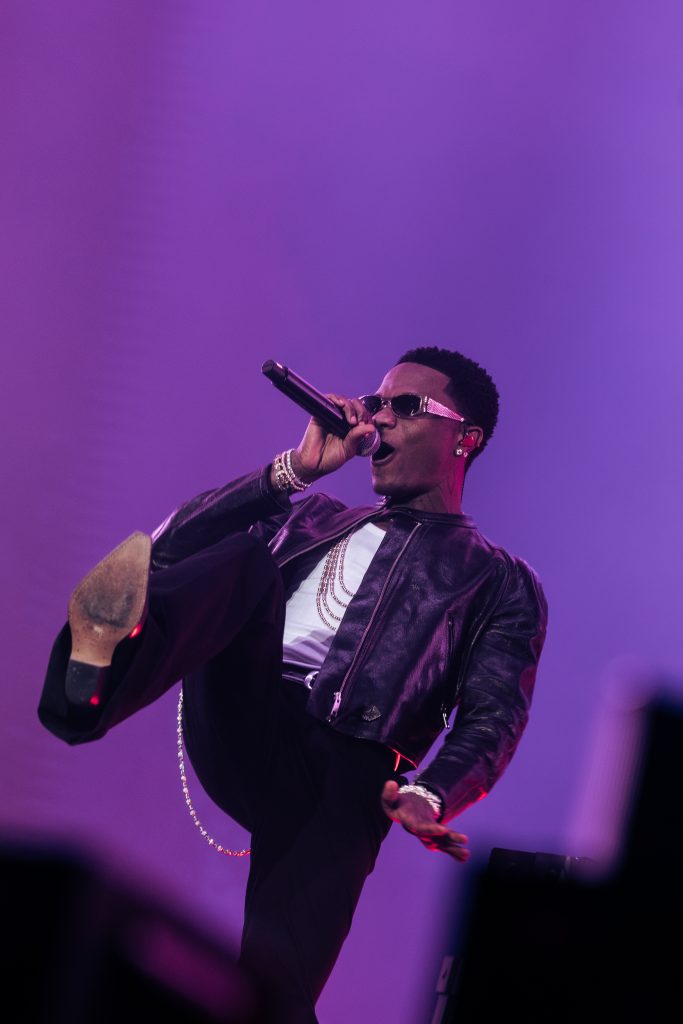
Even as a journalist who regularly documents cultural shifts, I still find myself having “pinch-me” moments. Seeing African music, Afrobeats, Amapiano, and our collective culture transcend continental borders and dominate global stages in real-time is nothing short of inspiring.
Returning this year, my excitement was already sky-high, fueled by memories of last year’s highlights. But this time around, I was buckled in for the full three-day experience. Seeing the lineup was like watching my personal music library come to life: Asake, Awilo Longomba, Joshua Barak, Burna Boy, and Tyla, to name a few, representing Central, East, West, and South Africa. I was also blessed enough to experience artists live for the first time that found a home in my playlists a year prior: Denden and Amaroto.
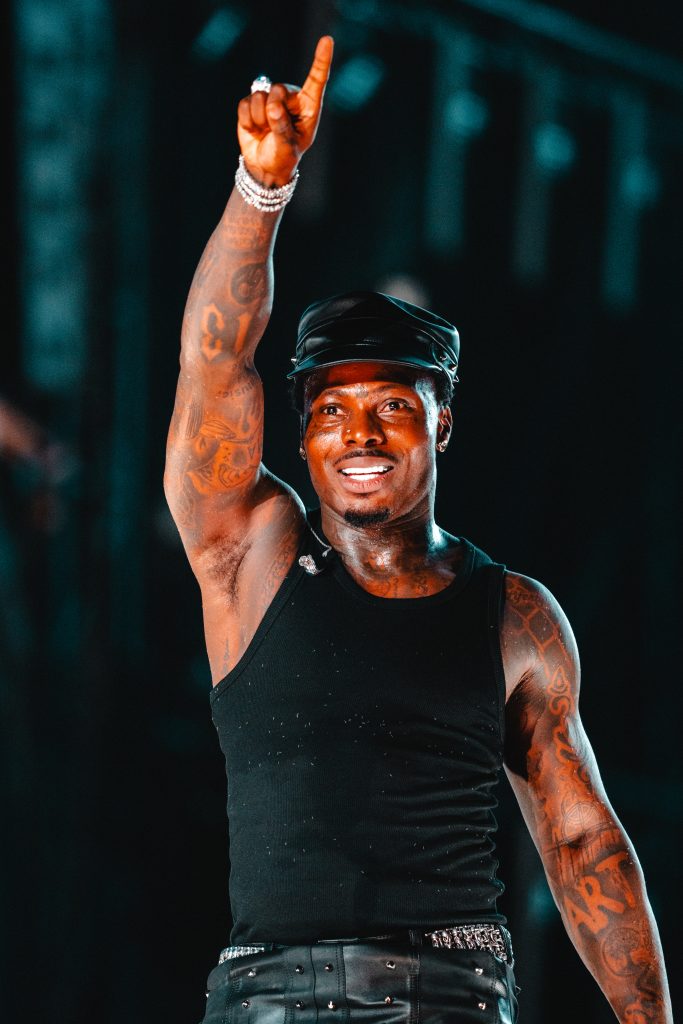
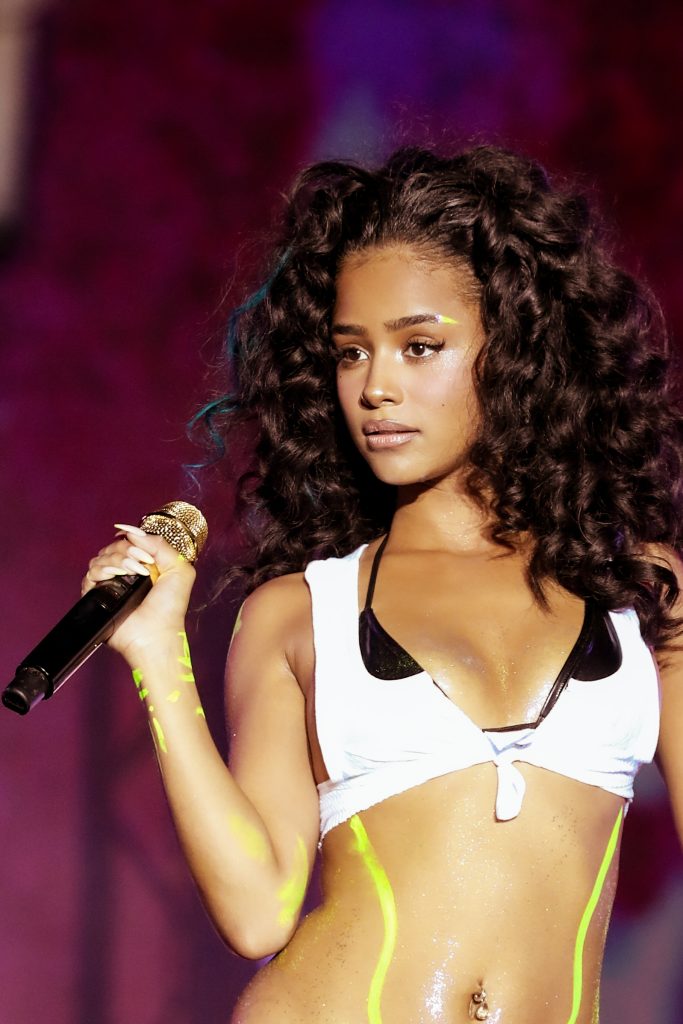
The festival this year hit a sustained capacity of over 40,000 daily attendees – effectively doubling its scale since I first stood on the sand in Portimão ,seven years ago.
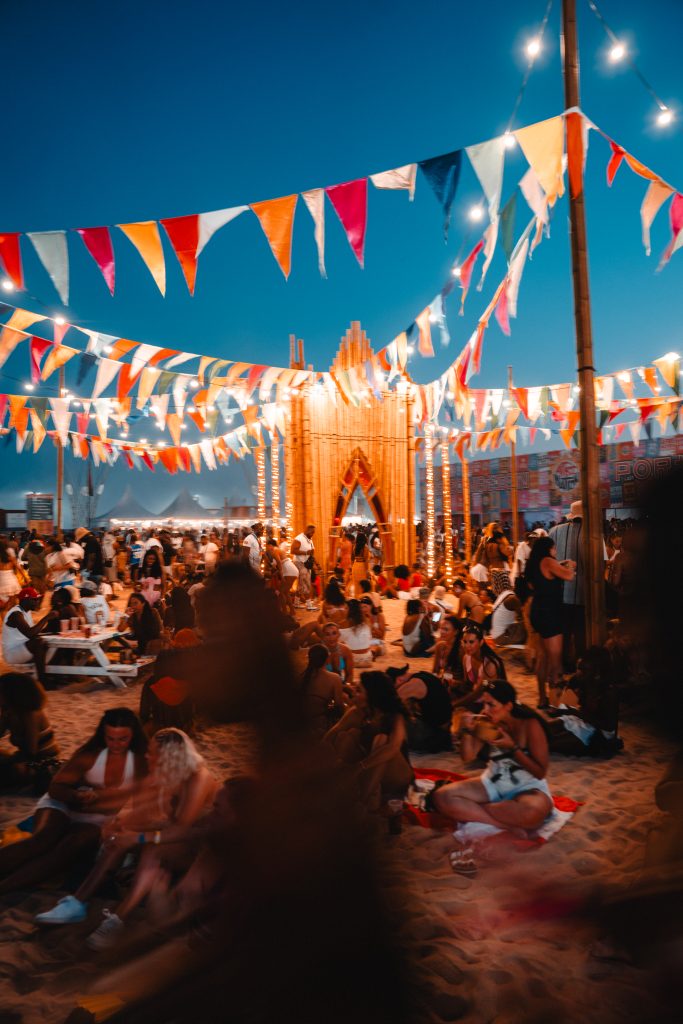
Also, when Afronation first began, the crowd was largely drawn from the UK and select European hubs. This year, ticket buyers traveled from over 100 countries to attend, with roughly 90% of the festival-goers traveling internationally to get there.
At its core, the festival celebrates the brilliant variance of the African diaspora and those who love it. Look around the crowd, and you’ll see a stunning tapestry of generations: mature music lovers dancing alongside Gen Z festival-goers. People travel from every corner of the globe – both of African and non-African descent – united by a singular, undeniable rhythm. It is a masterclass in cultural influence, and proof that our sound belongs to the world.
Writer: Hannah Ajala
Editor: Amaka Obioji